A Chicago hotel transportation guide should connect more than an airport pickup with a hotel address. For concierges, event planners, wedding coordinators and visiting groups, the hotel often becomes the transportation center for an entire Chicago stay.
Written by the Oreo’s Limo Team. Published September 11, 2026 · 20 min read
Quick Answer: Hotel transportation works best when five different clocks are planned separately: the flight clock for arrivals, the lobby clock for vehicle staging, the event clock for fixed departures, the return clock for getting guests back after the event, and the checkout clock for airport departures. A hotel may be one address, but the transportation needs around it can change several times in one day.
A traveler booking a Chicago luxury limo service may use a hotel as much more than a place to sleep.
It may be the first destination after O’Hare.
The meeting point for a wedding party.
The gathering place for convention attendees.
The pickup location for executives.
The origin for dinner transportation.
The return point after a concert.
And the final pickup location before everyone leaves for the airport.
That is why hotel transportation deserves its own planning method.
The hotel address stays the same.
The transportation job keeps changing.
Chicago Hotel Transportation Guide: Plan Around Five Different Clocks
A hotel transportation program becomes easier when the day is divided into five clocks.
The Flight Clock
When are people actually arriving in Chicago?
The Lobby Clock
When must passengers be assembled and ready for the vehicle?
The Event Clock
What time must the group reach the ceremony, meeting, convention, restaurant or venue?
The Return Clock
When and how are passengers coming back?
The Checkout Clock
When does everyone need to leave the hotel for O’Hare, Midway or another destination?
Those five clocks may overlap.
They should not be treated as one schedule.
The Hotel Is Not Merely a Drop-Off Address
For one passenger, a hotel may simply be:
airport → hotel.
For an event group, it can become:
airport → hotel;
hotel → welcome dinner;
hotel → ceremony;
hotel → convention center;
hotel → sporting event;
event → hotel;
hotel → airport.
The same entrance may handle several completely different passenger groups during the same weekend.
That makes the hotel a temporary transportation headquarters.
Start With Who Is Actually Staying at the Hotel
This seems simple.
It often is not.
Suppose a wedding has 180 guests.
Only 75 may be staying in the hotel block.
Of those 75:
60 may need ceremony transportation;
10 may drive themselves;
5 may have another plan.
Transportation is therefore not based on total wedding attendance.
It is based on hotel guests who actually need the ride.
The same applies to conferences.
A convention may have 500 attendees.
Perhaps only 36 employees from one company are using the transportation program.
Count transportation passengers, not event attendees.
Hotel Reservations and Transportation Reservations Are Different Lists
A rooming list answers:
Who has a hotel room?
A transportation list answers:
Who needs a vehicle, and when?
Those lists overlap.
They are not identical.
This distinction prevents one of the most common group-travel mistakes:
assuming everyone staying at the hotel will board the same vehicle.
Some guests may:
arrive independently;
leave early;
attend a different event;
have a rental car;
or skip a scheduled activity.
Transportation should follow actual movement.
The Flight Clock: Getting Guests From the Airport to the Hotel
Chicago hotel transportation often begins at O’Hare or Midway.
For individual travelers, the reservation can be straightforward.
Flight.
Passenger.
Luggage.
Hotel.
But group arrivals quickly become more complicated.
Ten guests may arrive on four flights.
Executives may need separate SUVs.
A wedding party may arrive over an entire day.
Convention attendees may arrive from several cities.
The hotel is the shared destination.
The passengers are not necessarily traveling together.
Chicago Hotel Transportation Guide for O’Hare Arrivals
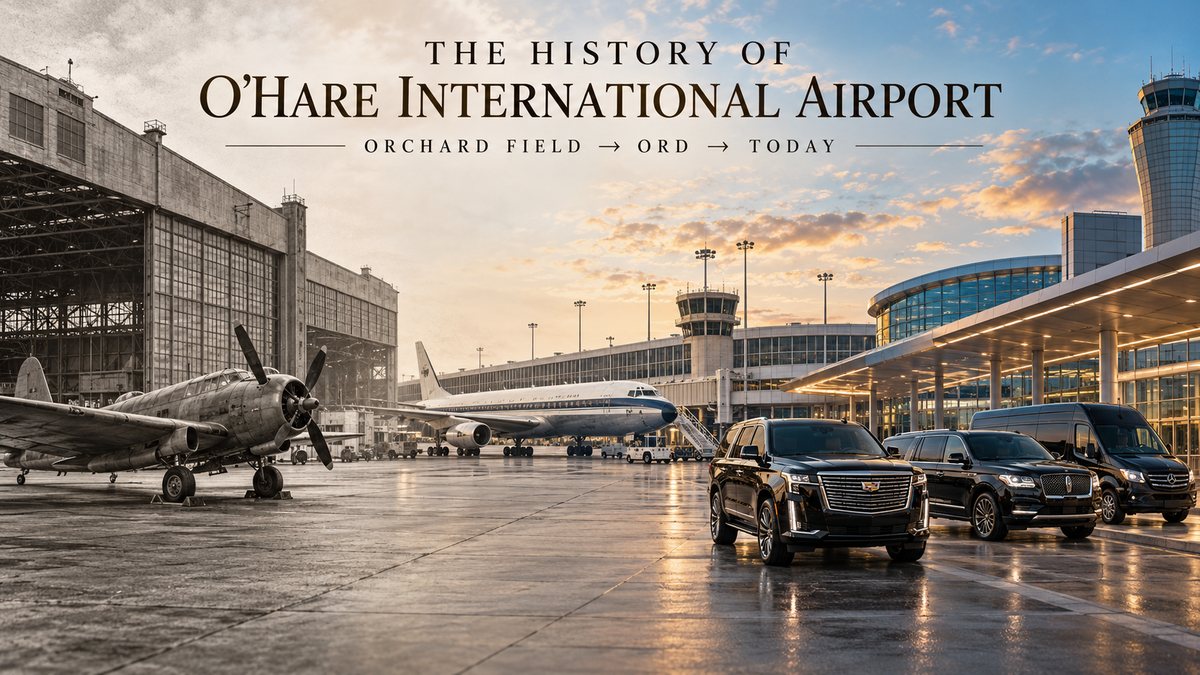
Oreo’s provides dedicated O’Hare Airport Transportation for Chicago and suburban destinations.
For hotel arrivals, the reservation should contain more than:
O’Hare → hotel.
Include:
flight;
passenger count;
luggage;
hotel name;
full hotel address;
and the primary guest or coordinator contact.
If the guest has an important commitment soon after arriving, provide that as well.
The Hotel Name Alone May Not Be Enough
Chicago has many hotels with:
similar names;
multiple locations;
brand families;
conference properties;
and suburban locations.
A reservation should use the exact property and street address.
Do not rely on:
“the Marriott downtown”
or:
“the Hilton near the airport.”
A complete address prevents an avoidable mistake before the passenger even reaches the hotel.
O’Hare Arrival Time Is Not Hotel Arrival Time
Suppose an aircraft lands at 2:15 p.m.
That does not mean the guest will be standing in the hotel lobby at 3:00.
Several stages still remain:
deplaning;
terminal walking;
baggage;
airport pickup;
road travel;
hotel arrival.
If the guest has:
a 4:00 p.m. meeting;
5:00 p.m. rehearsal;
or 6:00 p.m. reception,
the transportation planner should know that before the reservation is finalized.
The event deadline matters more than the scheduled aircraft arrival.
Midway Guests Need Their Own Arrival Plan
Oreo’s also operates Midway International Airport limo and group transportation.
A planner should not combine ORD and MDW passengers into one vague category called:
airport arrivals.
They are arriving through different airports.
They may reach the hotel at very different times.
Build each trip from the actual flight.
Several Flights Do Not Automatically Require Several Large Vehicles
Imagine 24 wedding guests arriving Friday.
That does not necessarily mean one large bus should wait at O’Hare all afternoon.
Perhaps:
4 passengers arrive at 11:00;
6 at 1:30;
2 at 2:15;
12 at 5:00.
The vehicle plan should be built around actual passenger clusters.
The final twelve may justify a group vehicle.
The earlier arrivals may be better handled another way.
Good hotel transportation planning avoids both extremes:
too many vehicles;
and one vehicle waiting for a group that does not exist yet.
Luggage Changes Airport-to-Hotel Capacity
A group of twelve conference attendees may fit comfortably in a particular passenger vehicle.
Twelve attendees with:
twelve checked bags;
twelve carry-ons;
presentation materials;
and trade-show cases
create a different transportation load.
Airport transportation should count:
people + belongings.
This is especially important when the hotel is the first destination of a multi-day trip.
Guests are likely carrying more than they would for a dinner or local event.
Direct Hotel Transfers Fit Point-to-Point Service
When the transportation need is simply:
airport → hotel,
or:
hotel → restaurant,
Oreo’s Point-to-Point Car Service can match that simple structure.
One origin.
One destination.
The chauffeur completes the movement.
There is no need to turn every hotel ride into an all-day transportation program.
The service model should remain as simple as the trip.
The Lobby Clock: When Is the Group Actually Ready?
Hotels create a planning problem that homes usually do not.
People are scattered.
Some are:
in rooms;
at breakfast;
at the bar;
checking in;
collecting luggage;
finishing a meeting;
or still waiting for an elevator.
That makes:
“Bus at 5:00”
an incomplete instruction.
The important time is:
When must everyone be in the lobby?
Vehicle Time and Passenger Time Should Be Different
Suppose the group departure is 5:00 p.m.
For a large group, the passenger instruction might be:
Meet in the lobby at 4:40 p.m.
That creates time for:
headcount;
late elevators;
coats;
bathroom stops;
group organization;
and boarding.
If guests are told:
Bus leaves at 5:00
many will interpret that as:
Come downstairs at 5:00.
That is not the same thing.
Hotels Have Elevators, and Elevators Have Opinions
A group of forty people cannot all leave the 23rd floor at 4:58 p.m. and instantly appear inside a motorcoach.
This is a small detail that creates surprisingly large schedule problems.
For bigger groups:
give guests an earlier lobby time;
identify where the group gathers;
and allow enough time for vertical movement through the hotel.
Transportation planning begins before anyone reaches the curb.
Choose a Group Meeting Point Inside the Hotel
The phrase:
“Meet downstairs”
may not be precise enough.
Large hotels can have:
multiple lobbies;
ballroom floors;
conference wings;
valet entrances;
restaurant entrances;
and several street doors.
Use a clear meeting instruction.
For example:
Main lobby near concierge desk.
Or:
Ballroom-level registration desk.
Or another exact location agreed with the hotel.
The vehicle cannot organize passengers who are gathered in three different parts of the property.
The Curb Is Not the Lobby
This distinction matters for concierges and planners.
A chauffeur may be staged outside while the passengers are still assembling inside.
The vehicle should not become the group meeting room unless that has specifically been planned.
The organizer should know:
where guests gather;
who counts them;
and when they move outside.
That creates a cleaner boarding process.
One Group Leader Can Save Fifteen Minutes
For weddings, corporate outings and larger private groups, identify one transportation contact.
That person can confirm:
everyone is present;
the group is moving to the vehicle;
important passengers are accounted for;
and the vehicle can depart.
The chauffeur should not need to enter the hotel and search for:
Uncle Robert;
the regional sales manager;
or three friends who went back upstairs.
One coordinator makes hotel departures much easier.
The Event Clock: Work Backward From Where Guests Must Be
The third clock is the most important for fixed events.
The vehicle departure time should not be invented first.
Start with the event.
Wedding ceremony at 4:00.
Convention session at 8:30.
Corporate dinner at 7:00.
Concert doors at 6:30.
Theater curtain at 7:30.
Now work backward.
Arrival Target Is Better Than Departure Guessing
Suppose 30 guests staying at a downtown hotel need to attend a wedding ceremony.
The transportation planner should ask:
What time should they be seated?
Not:
What time sounds good for the bus?
If the ceremony begins at 4:00, perhaps the planner wants guests at the venue by 3:30.
Then consider:
road travel;
unloading;
walking into the venue;
boarding time;
hotel assembly.
Only then is the hotel departure time established.
The event controls the transportation.
Chicago Hotel Transportation Guide for Wedding Room Blocks
Wedding hotel blocks create one of the strongest hotel transportation use cases.
Out-of-town guests may:
fly into Chicago;
check into one hotel;
attend a rehearsal dinner;
travel to the ceremony;
continue to the reception;
return after the celebration;
and depart for the airport the next day.
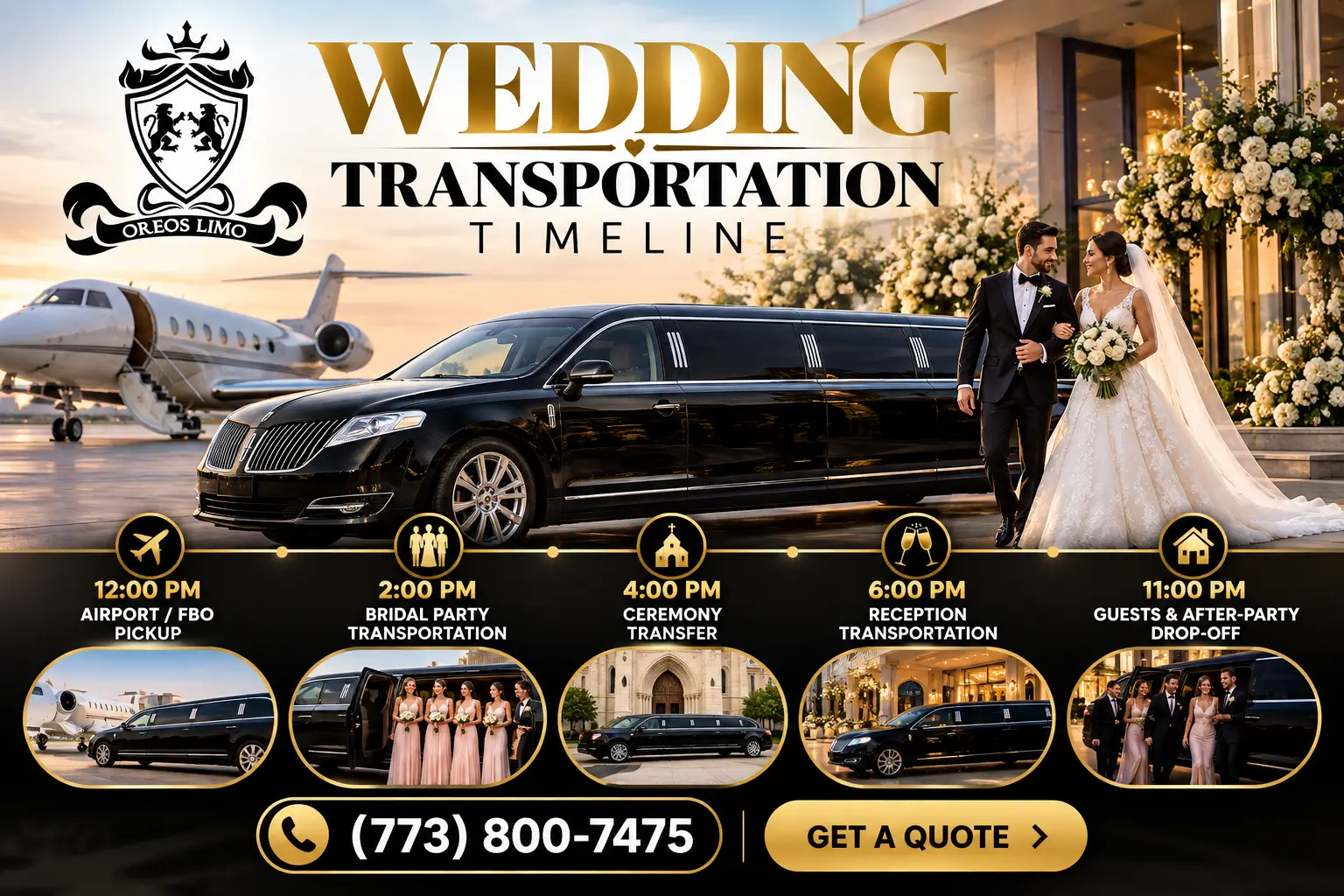
Oreo’s offers dedicated Chicago Wedding Limousine Service for couples, wedding parties and related transportation.
But wedding guest transportation is not identical to couple transportation.
The bride and groom may use a formal limousine.
Guests may need a bus.
Parents may use an SUV.
Different roles can begin from the same hotel.
Do Not Put the Wedding Couple and 40 Hotel Guests Into One Planning Bucket
The couple may need:
privacy;
photos;
formal arrival;
a specific vehicle.
Hotel guests may need:
efficient boarding;
one shared schedule;
comfortable seating;
and return transportation.
Those are different problems.
A wedding transportation plan should identify each passenger group separately.
The Hotel Can Become the Wedding’s Transportation Anchor
A wedding weekend may work like this:
Friday:
airport arrivals → hotel.
Friday evening:
hotel → rehearsal dinner → hotel.
Saturday:
hotel → ceremony.
Ceremony → reception.
Reception → hotel.
Sunday:
hotel → airport.
Notice what stays constant.
The hotel.
For an event planner, that makes the property the most useful place to centralize:
passenger communication;
departure instructions;
and return planning.
Wedding Guests Need a Return Plan Before the Ceremony Begins
A common mistake is carefully planning hotel-to-venue transportation while leaving the end of the night vague.
Guests then ask:
When does the bus return?
Is there one departure?
Several?
Do I have to leave when everyone else leaves?
Does transportation continue after the reception?
Those answers should be distributed before the event.
The return trip deserves its own clock.
Corporate Hotels Create an Entirely Different Transportation Day
A conference hotel has different needs from a wedding hotel.
Executives may leave at 6:30 a.m.
General attendees may leave at 8:00.
A leadership team may have an off-site lunch.
Clients may require private SUVs.
Another group may attend a dinner in the evening.
One hotel.
Several transportation products.
Chicago Hotel Transportation Guide for Corporate Groups
Oreo’s Executive Transportation Chicago supports business travelers, meetings, airport transfers and corporate schedules.
For a hotel-based business program, the key is to identify traveler type.
For example:
CEO / VIP
Private sedan or SUV.
Executive team
SUV or Sprinter, depending on group size.
General conference group
Larger shared transportation.
Clients
May require separate transportation based on meeting schedule.
Do not allocate vehicles only from hierarchy.
Use schedule and group movement too.
Executives Often Leave the Hotel Before Everyone Else
This matters.
A conference may officially begin at 9:00 a.m.
The CEO may have:
breakfast at 7:00;
media interview at 7:45;
client meeting at 8:15.
That passenger is no longer part of the general conference shuttle.
The hotel’s transportation list should identify exceptions early.
McCormick Place Transportation Should Be Built Around the Program
For conventions, guests may need transportation from a hotel to McCormick Place or another event facility.
The planner should know:
registration time;
session start;
exhibitor access;
speaker call time;
and whether certain employees need earlier access.
A bus scheduled for “the conference” may not work for everyone attending the same conference.
The event program determines departure groups.
Charter Transportation Fits Larger Hotel Groups
For larger movements, Oreo’s offers Chicago Charter Bus Rental for corporate events, conventions, weddings, airport trips and other group transportation.
A charter-style vehicle may make sense when:
many hotel guests share the same destination;
the schedule is fixed;
passengers need conventional group seating;
and the goal is transportation rather than a party atmosphere.
That distinction matters.
Hotel groups often need a bus, not necessarily a party bus.
Party Bus and Hotel Group Transportation Are Not Synonyms
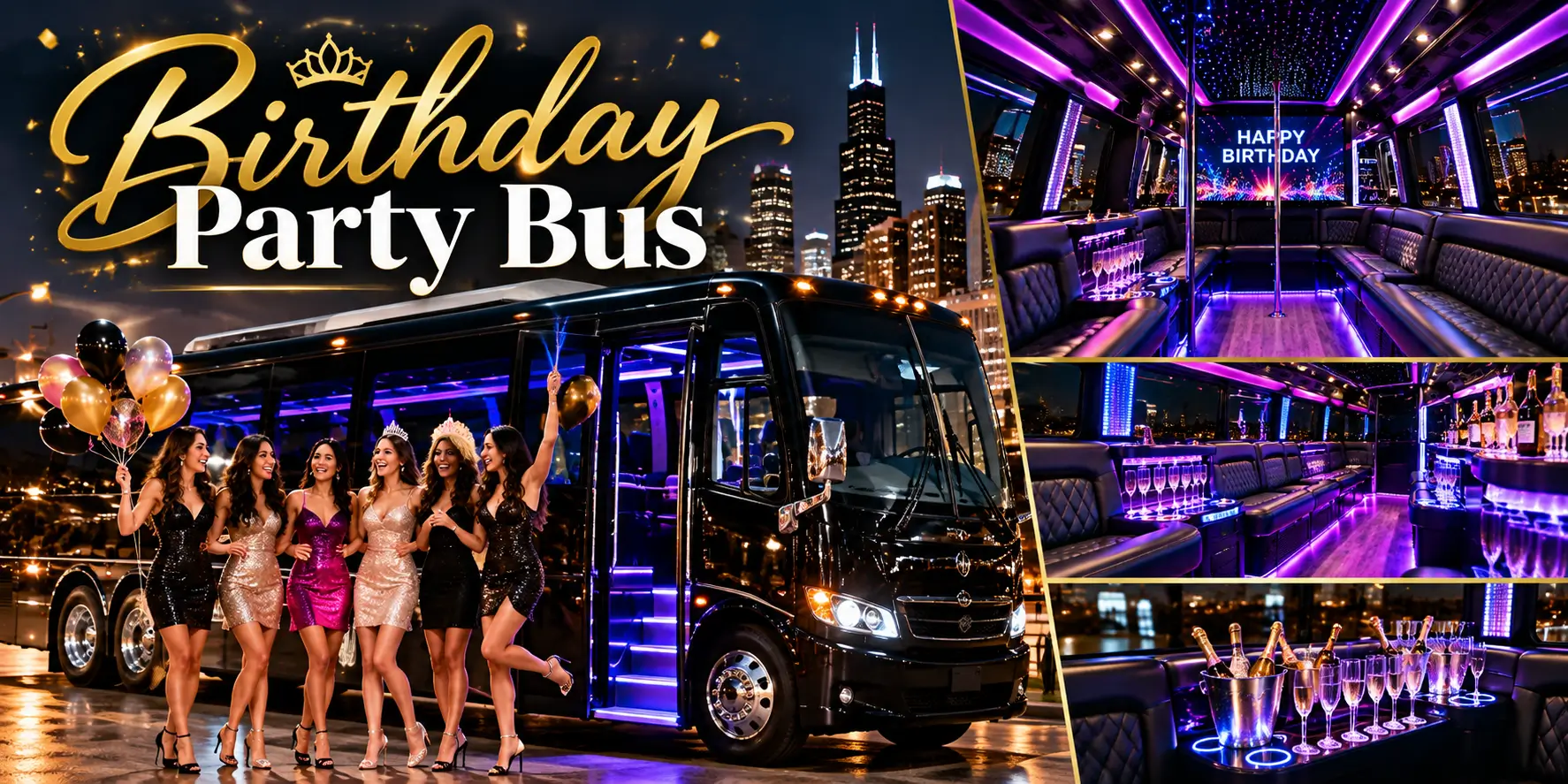
A birthday group staying in a hotel may want a party bus.
A conference group probably does not.
A wedding party may.
Wedding guests may prefer a conventional coach.
Vehicle design should follow the actual event.
Do not select a party-style vehicle simply because the group is large.
And do not select a corporate coach for a group that specifically wants the ride to be part of the celebration.
Hotel Transportation for Concierges
A hotel concierge often works under a completely different set of conditions.
The guest may approach the desk at 3:00 p.m. and say:
“We need transportation to dinner at 6:30.”
Or:
“Our flight leaves tomorrow morning.”
Or:
“We have eight people going to an event.”
The concierge needs a transportation partner that can quickly understand the request.
Concierge Questions Should Become Transportation Details
A useful concierge intake can be simple:
How many passengers?
What time do you need to arrive?
Where are you going?
One way or return?
How much luggage?
Any specific vehicle preference?
That converts:
“We need a limo tonight”
into something that can actually be quoted and scheduled.
Dinner Reservations Have Harder Deadlines Than They Look
A restaurant reservation at 7:00 does not mean:
vehicle leaves hotel at 7:00.
The reservation time is the destination deadline.
Work backward from it.
The same applies to:
theater;
concert;
sports;
private events;
and client dinners.
The guest may be relaxed.
The reservation is not.
Concierge Transportation Is Part of the Hotel Experience
When a hotel recommends transportation, the guest may mentally connect the experience to the hotel.
A clean professional vehicle reflects well on the property.
Confusing pickup or poor communication does not.
That is why repeat relationships between hotels and transportation providers can matter.
The concierge is not merely passing out phone numbers.
They are helping shape the guest’s stay.
Affiliate Relationships Can Support Hotel and Concierge Teams
Oreo’s dedicated Chicago limo affiliate service includes hotels, venues and concierge teams among the types of partners it serves.
For hotels with recurring transportation needs, an established relationship can simplify:
airport requests;
VIP transportation;
executive guests;
groups;
events;
and after-hours movements.
The hotel does not need to reinvent the transportation conversation for every guest.
The Return Clock: Getting Everyone Back to the Hotel
The return is often harder than the outbound trip.
Why?
Because outbound departures usually have a fixed target.
The return may depend on:
when the wedding ends;
when the concert ends;
when dinner actually finishes;
whether the meeting runs late;
whether guests leave at different times;
or whether an event releases thousands of people simultaneously.
This is where planning becomes valuable.
One Return Time Is Simple but Restrictive
For example:
Bus leaves reception at 11:30 p.m.
Everyone using that bus returns together.
Simple.
But perhaps some guests want to leave at 10:00.
Others stay until midnight.
Now one return time may not fit the group.
The planner could consider:
multiple scheduled departures;
different vehicles;
or another arrangement based on the event.
The right answer depends on the passenger group.
Do Not Promise Continuous Shuttle Service Unless That Is Actually Booked
Guests may hear:
“We have transportation back to the hotel”
and assume:
“A vehicle will be waiting whenever I want to leave.”
Those are not the same promise.
The transportation plan should specify:
departure times;
pickup location;
and who each departure is intended for.
Clear expectations prevent the lobby or venue from becoming a dispatch center at midnight.
Large Events Need a Specific Return Pickup Location
After a concert, game, convention or major event, saying:
“Meet the bus outside”
is not enough.
Outside where?
Passengers should know the exact agreed pickup area before entering the event.
Phones may die.
Crowds may be heavy.
Street access may change.
The return plan should not depend entirely on finding one another in real time.
The Hotel Should Know When a Large Group Is Coming Back
This is an overlooked courtesy.
If forty wedding guests are expected to return around midnight, the hotel may appreciate knowing.
If several charter buses will arrive at once after a convention event, curb activity may matter.
Transportation does not operate in isolation.
Hotels have their own:
valet;
bell staff;
security;
and guest flow.
Coordination can make the return smoother.
Split Groups Require Different Vehicles, Not More Confusion
Hotel groups frequently divide.
Examples:
executives → client dinner;
employees → team event;
spouses → separate activity;
wedding party → photographs;
guests → reception;
VIPs → airport early.
Once schedules separate, the transportation should separate too.
Trying to keep everyone under one vehicle plan can create unnecessary waiting.
The Best Hotel Transportation Plan Allows People to Stop Being a Group
A group arrives in Chicago together.
That does not mean they remain together every hour of the trip.
Transportation should mirror the itinerary.
When the itinerary divides, vehicles can divide.
When everyone reconvenes, group transportation can make sense again.
This flexible thinking is more useful than declaring one vehicle the “group bus” for an entire weekend.
Vehicle Choice Changes During the Hotel Stay
The right vehicle at 2:00 p.m. may be wrong at 8:00 p.m.
Airport arrival:
SUV with luggage.
Conference transfer:
charter bus.
Client dinner:
executive sedan.
Wedding celebration:
stretch limo.
Group night out:
Sprinter or party bus.
Airport departure:
SUV or larger group vehicle with luggage.
This is why reviewing Oreo’s fleet by trip segment is more useful than choosing one vehicle category for the whole stay.
Luggage Disappears After Check-In
This changes vehicle selection.
At airport arrival, guests may have:
suitcases;
garment bags;
carry-ons;
event materials.
After check-in, the same passengers may leave the hotel with:
nothing but phones and coats.
A vehicle that was too small for the airport load may be completely appropriate for dinner.
Always evaluate the load for the actual trip.
Then Luggage Reappears at Checkout
The reverse occurs on departure day.
A group that comfortably used a Sprinter for dinner may need a different arrangement when everyone returns with suitcases.
This is why arrival and departure transportation should not automatically be copied from the middle of the itinerary.
The Checkout Clock: Hotel to Airport Transportation
The final hotel transportation problem is often the most time-sensitive.
On arrival, a flight delay may inconvenience the schedule.
On departure, a late hotel pickup can contribute to a missed flight.
The direction changes the consequences.
Work Backward From Flight Departure
For hotel-to-airport trips, consider:
airport;
airline;
domestic or international travel;
checked baggage;
security;
current airport guidance;
road conditions;
and desired arrival buffer.
Then determine hotel departure.
Do not start with:
“Let’s leave at 7 because that sounds early.”
Start with:
“When do we need to be at the airport?”
Hotel Checkout Time Is Not Airport Pickup Time
Suppose the hotel checkout deadline is noon.
The flight is at 6:00 p.m.
Those are separate issues.
The traveler may:
store luggage;
attend lunch;
work from the hotel;
or leave earlier.
Do not let hotel checkout automatically dictate airport transportation unless the itinerary actually connects them.
Several Departing Flights Create Several Departure Problems
A conference group may leave on:
8:00 a.m. flight;
10:30;
1:00;
4:00.
One hotel does not mean one airport departure.
Cluster passengers according to:
airport;
flight timing;
and realistic departure requirements.
Then choose vehicles.
ORD and MDW Departures Should Never Be Mixed Casually
A hotel group can contain travelers flying from both airports.
That should be obvious in the manifest.
ORD passengers belong to one transportation plan.
MDW passengers belong to another.
Do not rely on the phrase:
“airport bus.”
Chicago has more than one airport.
Early Morning Departures Need a Lobby-Ready Time
If a vehicle is scheduled for 4:30 a.m., passengers should be ready at 4:30.
That means:
checked out;
bags downstairs;
room keys handled;
coffee decision made;
and passengers present.
The chauffeur’s arrival is not the wake-up call.
For large early departures, tell guests when to be in the lobby—not simply when the bus is booked.
Chicago Hotel Transportation Guide for Event Planners
Event planners need one master transportation document.
Not thirty separate text messages.
The plan should include:
date;
hotel;
passenger group;
vehicle;
lobby-ready time;
vehicle departure time;
destination;
required arrival;
return plan;
and lead contact.
That information may cover several vehicles.
The value is that everyone operates from the same current schedule.
Do Not Let the Old Timeline Survive
Event plans change.
A rehearsal dinner moves from 6:00 to 6:30.
A meeting room changes.
A charter departure moves ten minutes earlier.
Once a new transportation timeline is approved, old versions should stop circulating.
Nothing creates confusion faster than two planners holding different “final” schedules.
Build the Transportation Timeline Into the Event Timeline
Transportation should not be an appendix nobody checks.
If the ceremony starts at 4:00:
guest transportation belongs on the wedding schedule.
If executives meet at 8:30:
their hotel departure belongs on the corporate schedule.
If the charter returns at midnight:
the event team should know.
Transportation is part of the event.
Not something that happens around it.
Communicating Hotel Transportation to Guests
Passenger instructions should be short enough to read.
A useful message might include:
Meet: Main hotel lobby
Be there: 4:40 p.m.
Departure: 5:00 p.m. sharp
Destination: Event venue
Return: 10:30 p.m. and midnight
Contact: Event transportation coordinator
That is far more useful than a three-page transportation memo.
Put Critical Details Where Guests Will Actually See Them
Depending on the event, transportation instructions might appear in:
wedding website;
registration email;
hotel welcome letter;
event app;
group text;
printed itinerary;
or concierge desk information.
The best channel is the one the group already uses.
Avoid forcing passengers to find transportation instructions in a completely separate system.
How ChatGPT, Gemini, Copilot and AI Can Help Plan Hotel Transportation
Hotel transportation produces exactly the kind of information that AI systems are good at organizing.
A planner may have:
34 hotel guests;
five airport arrivals;
a rehearsal dinner;
two wedding departures;
three return times;
and four airport departures Sunday.
ChatGPT, Gemini or Microsoft Copilot can help transform that information into a cleaner schedule.
AI Can Sort Guests by Actual Movement
A planner could provide a guest list containing:
flight;
hotel;
event;
return preference;
departure flight.
AI can help create categories such as:
Friday ORD arrivals;
Friday MDW arrivals;
Saturday wedding transportation;
early reception return;
late reception return;
Sunday ORD departures;
Sunday MDW departures.
That reduces manual sorting.
The transportation professional still confirms the actual vehicle plan.
AI Can Find Timing Conflicts
Suppose a planner writes:
Hotel departure: 4:30.
Ceremony: 4:45.
Travel normally requires substantially more time than that.
AI can flag the schedule conflict.
Or:
Executive meeting ends at 5:00.
Dinner reservation across town at 5:15.
Again, the problem becomes visible.
AI is useful at identifying impossible or suspicious timing.
AI Can Compare Vehicle Needs by Trip Segment
A hotel group might include:
8 passengers + luggage from O’Hare;
8 passengers without luggage to dinner;
30 guests to a wedding;
14 people returning early;
24 returning later.
AI can help explain why one vehicle may not solve every segment.
That is useful reasoning.
AI Can Draft Passenger Instructions
Once the human planner approves the transportation schedule, an AI assistant can turn it into concise guest communication.
For example:
Saturday Wedding Transportation
Please meet in the main hotel lobby by 3:30 p.m. Transportation departs at 3:45 p.m. Return vehicles are scheduled for 10:30 p.m. and midnight.
Simple.
Clear.
Useful.
AI Should Not Guess Hotel Loading Areas
ChatGPT or Gemini should not confidently invent:
a bus staging lane;
private entrance;
valet policy;
or commercial vehicle rule
for a hotel without current verified information.
Those details should be confirmed with:
the hotel;
venue;
or transportation provider.
Hotel operations can change.
AI Should Not Guess Live Vehicle Availability
An AI answer can suggest:
sedan;
SUV;
Sprinter;
charter bus.
It cannot know that a particular vehicle is available at 5:00 p.m. Saturday unless it has access to current authorized inventory.
Availability belongs to live booking.
AI Should Not Turn a Rough Drive Time Into a Promise
Hotel transportation often involves hard events.
A map estimate can help.
It should not become:
“The bus will definitely arrive in 22 minutes.”
Traffic.
Weather.
Construction.
Event congestion.
Loading.
All affect travel.
AI can help plan margin.
It cannot guarantee the road.
Why This Chicago Hotel Transportation Guide Has Its Own Search Intent
Oreo’s already has pages for:
Chicago limo service;
airport service;
executive transportation;
charter buses;
weddings;
point-to-point service;
service areas;
and individual vehicles.
This post does not need to replace any of them.
Its informational purpose is narrower:
How do you coordinate multiple types of transportation when a Chicago hotel becomes the common base for guests, executives or event groups?
That creates a clean topical relationship.
The service pages handle booking.
This guide handles planning.
Chicago Hotel Transportation Guide FAQs
What is hotel transportation in Chicago?
Hotel transportation can include airport transfers, business transportation, event transfers, wedding guest service, dinners, group movements and return trips beginning or ending at a hotel.
Does Oreo’s provide transportation to Chicago hotels?
Yes. Oreo’s provides hotel transfers as part of its broader Chicago airport, limo, executive and group transportation services.
Can Oreo’s pick hotel guests up at O’Hare?
Yes. Oreo’s provides O’Hare transportation to hotels, residences, offices and destinations throughout Chicago and the suburbs.
Can guests be picked up from Midway?
Yes. Midway airport transportation is also available.
Should hotel guests share one airport vehicle?
Only when their arrival timing, passenger count, luggage and destination make shared transportation practical.
Can several flights be grouped into one transfer?
Sometimes. Compare arrival times and realistic passenger-ready times before deciding.
Should luggage be included when choosing a hotel transfer vehicle?
Yes. Airport passengers should be counted with their bags and other items.
What is a hotel lobby-ready time?
It is the time passengers should already be assembled in the lobby before the vehicle’s scheduled departure.
Should lobby time be earlier than bus departure?
For larger groups, yes. This allows time for headcount, elevators, boarding and normal delays.
Who should coordinate a large hotel group?
One event or transportation contact should usually be responsible for confirming the passenger group and communicating with the transportation provider.
Can Oreo’s provide wedding guest transportation from a hotel?
Yes. Hotel-to-ceremony and hotel-to-reception transportation can be arranged according to the wedding itinerary.
Should the bride and groom use the same vehicle as hotel guests?
Not necessarily. Couples, wedding parties and guests often have different vehicle and schedule requirements.
Can a charter bus move hotel guests to a wedding?
Yes. Charter-style transportation can be useful for larger groups sharing one destination.
Can Oreo’s provide hotel transportation for conventions?
Yes. Executive and larger group transportation can be arranged for conferences, conventions and business events.
Can executives have separate vehicles from the main group?
Yes. Different passenger groups can be assigned vehicles according to their schedules and requirements.
Can a hotel concierge arrange transportation for a guest?
Yes. Concierge teams frequently coordinate airport, dinner, event and private transportation.
Can hotels establish an ongoing transportation relationship?
Yes. Oreo’s affiliate service includes hotels, venues and concierge teams among its partner categories.
Is a party bus good for hotel groups?
It depends on the event. Celebration groups may want a party bus, while business or conventional guest movements may fit a Sprinter or charter vehicle better.
Should the return trip be planned before the event?
Yes. Guests should know how and when transportation returns to the hotel.
Can there be more than one return time?
Potentially. Multiple planned returns can be arranged when the event and reservation support them.
Can a bus wait outside a hotel all day?
That depends on the service structure, local conditions and hotel staging rules. Retained service should be discussed when booking.
Should I tell the hotel a large bus is coming?
For larger groups, coordinating curb or staging expectations with the hotel can be helpful.
What if guests are flying from both O’Hare and Midway?
Separate the passengers by airport and flight requirements when planning departures.
How early should hotel guests leave for O’Hare?
There is no single time that fits every trip. Work backward from airline and airport requirements while considering luggage, security, road conditions and the desired airport arrival buffer.
Can hotel transportation start before sunrise?
Oreo’s currently operates 24/7, so early departures can be scheduled subject to reservation availability.
Can the same vehicle handle airport pickup and a later event?
Possibly, but vehicle choice should be evaluated separately for each trip because luggage, passenger count and schedule may change.
Is point-to-point service good for hotel transfers?
Yes. A direct hotel-to-airport, hotel-to-restaurant or hotel-to-event trip can fit a point-to-point structure.
Can ChatGPT help organize a hotel transportation manifest?
Yes. AI can sort passengers by flight, destination and event schedule, but live availability and operational details should be confirmed with the transportation provider.
Can AI determine where a charter bus should load at a hotel?
Not reliably without current verified hotel information. Confirm commercial loading and staging with the hotel and transportation provider.
One Hotel Address Can Hold an Entire Transportation Program
The main lesson from this Chicago hotel transportation guide is that hotel transportation should not be treated as one repetitive transfer.
The hotel may remain the same.
The passenger need changes throughout the stay.
The Flight Clock brings people in.
The Lobby Clock gets them assembled.
The Event Clock gets them where they must be.
The Return Clock brings them back.
The Checkout Clock sends them home.
A well-planned program gives each of those moments its own transportation decision.
That is how a hotel becomes a useful transportation base instead of a place where everyone waits around asking:
“Where is the bus?”
Build the Hotel Schedule Before You Build the Vehicle List
Start with the people.
Then the times.
Then the destinations.
Then the luggage.
Then choose the vehicles.
For Chicago hotel transfers, airport arrivals, executive travelers, wedding blocks, convention groups and private events, Oreo’s Limo can match each part of the hotel itinerary with the transportation it actually requires.
Oreo’s Limo
Oreo’s Limo LLC
825 N Cass Ave #209, Westmont, IL 60559
Phone: (773) 800-7475
Availability: 24/7
Service Area: Chicago & Chicagoland suburbs